
How to Make Great Cocktails Based on What You Have at Home
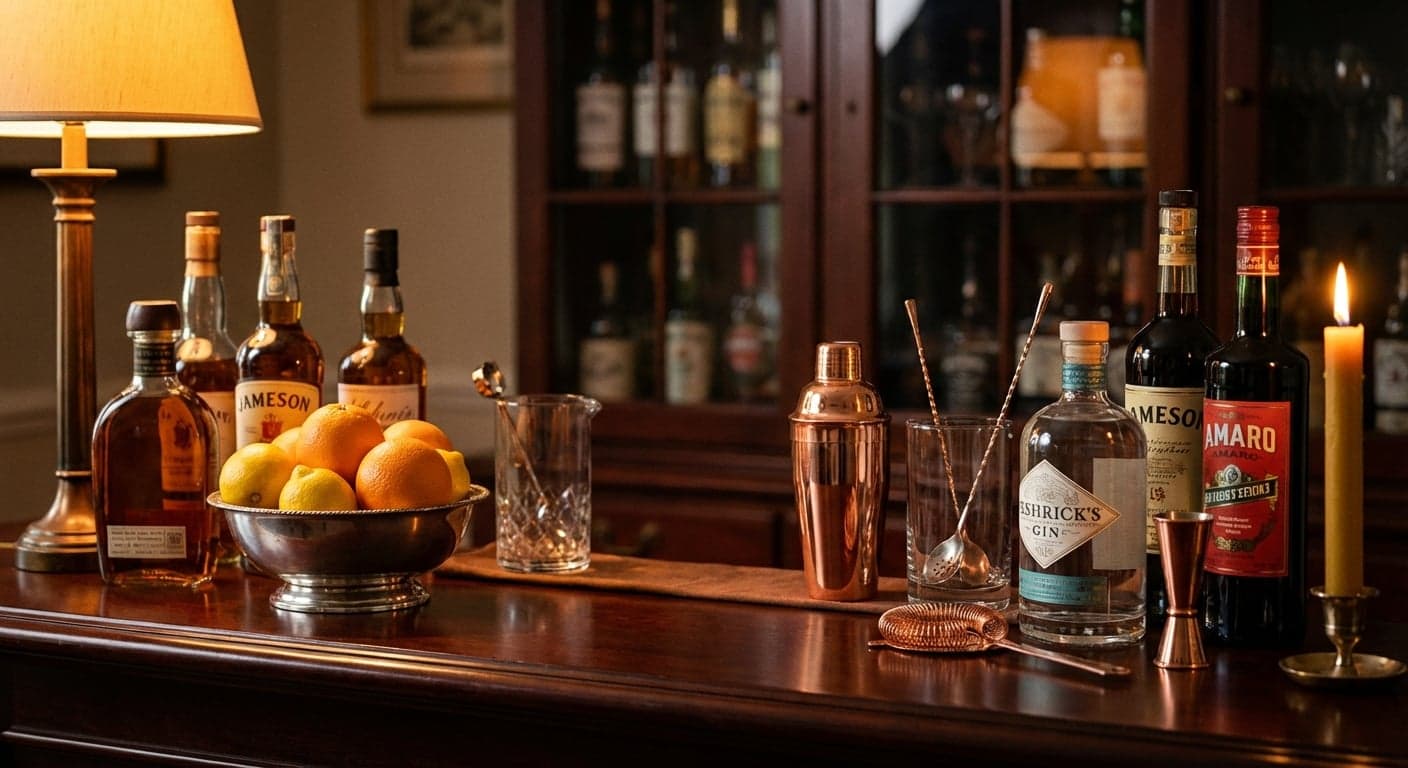
You glance at the bottles on your shelf, a half-used lime, and whatever's left in the fridge, and wonder: can I actually make something worth drinking? Almost always, the answer is yes. The secret is knowing how to read your ingredients, understand a few core ratios, and lean into what you have rather than chasing what you don't.
This guide walks you through exactly how to make great cocktail recipes based on what you have at home, right now, without a trip to the store.
Start With Your Base Spirit
Your base spirit is the spine of any cocktail. Before anything else, take stock of what bottles are open and at least a third full. Even a modest home bar tends to have one or two of the big five: vodka, gin, rum, tequila, or whiskey. Each one has a natural flavor direction, and understanding that direction tells you which drinks are already within reach.
Vodka is the most neutral and works with almost anything sweet, sour, or savory. Gin carries botanical notes that pair beautifully with citrus and light herbal mixers. Rum skews tropical and sweet, making it ideal for citrus-forward drinks. Tequila and mezcal bring earthy, agave-driven character that pairs well with citrus, salt, and fruit. Whiskey, whether bourbon or rye, is rich and warming and works especially well with simple syrups, citrus, and bitters.
Once you know your base, the path forward becomes much clearer.
What Every Cocktail Really Needs
Almost every great cocktail is built on three elements: a base spirit, a modifier, and a brightener. Get these three in balance and you have a drink worth serving.
- Base spirit: The dominant flavor, usually 1.5 to 2 oz.
- Modifier: Something that adds complexity or sweetness — a liqueur, vermouth, simple syrup, or even honey.
- Brightener: Acid, usually in the form of fresh citrus juice or a splash of something tart. This is what makes a drink feel alive rather than flat.
A fourth element, length, is often added through soda water, tonic, or ginger beer to stretch a drink and add texture. And bitters, even a few drops, function like seasoning in cooking: they pull everything together without dominating.
How to Match What You Have to a Classic Template
You do not need to invent a drink from scratch. Most great cocktails are variations on a handful of classic templates. Once you know the template, you can slot in whatever you have and end up with something balanced.
The Sour Template
Spirit, citrus, sweetener. Shake over ice, strain into a glass. This is the template for a Whiskey Sour, Daiquiri, Margarita, Gimlet, and dozens more. A rough starting ratio: 2 oz spirit, 0.75 oz fresh citrus juice, 0.75 oz simple syrup. If your citrus is a lemon, you're making a sour. If it's a lime, you're closer to a Daiquiri or Margarita.
The Highball Template
Spirit plus a long mixer over ice. Bourbon and ginger ale. Vodka and soda. Gin and tonic. Rum and cola. These are some of the most forgiving cocktails you can make at home because the ratios are flexible and the ingredients are simple. A 1:3 spirit to mixer ratio is a reliable starting point.
The Stirred Spirit-Forward Template
This is the category of drinks like the Old Fashioned and Manhattan: spirit, a modifier like vermouth or a liqueur, and bitters. Stirred over ice until properly diluted and chilled. These drinks reward quality ingredients and reward patience.
The Spritz Template
Wine or aperitif base, sparkling water or Prosecco, a splash of something bitter or citrusy. If you have an open bottle of wine, some sparkling water, and a slice of citrus, you already have everything you need.
Pantry Staples That Transform a Drink
A well-stocked pantry can do a lot of the work a proper bar would otherwise handle. The following are common household items that moonlight as cocktail ingredients.
Honey dissolved in a 2:1 ratio with warm water makes a honey syrup that is richer and more complex than plain simple syrup. It is particularly good with bourbon, gin, and rum. Citrus zest expressed over a drink adds aroma and oils that no amount of juice can replicate. Coconut water is a surprising mixer that adds subtle sweetness and body. Cold brew coffee is an excellent substitute for coffee liqueur when stirred with vodka and a touch of sweetener. Chili flakes or a dash of hot sauce added to a Margarita or a bloody mix adds heat without any extra shopping.
Simple Syrup in Three Minutes
If you have sugar and water, you have simple syrup. Combine one part sugar with one part hot water, stir until dissolved, let it cool. That's it. This single ingredient unlocks dozens of cocktails that would otherwise require a sweetened liqueur or a specialty product.
Want to go further? Add a few sprigs of fresh rosemary or thyme while the syrup is warm, steep for 10 minutes, then strain. You have an herb-infused syrup that will make your gin and tequila drinks considerably more interesting.
How Velvet Shelf Helps You Cook With What You Have
Keeping track of what's in your bar and knowing which cocktails you can make with those exact bottles is exactly what Velvet Shelf was built for. The app lets you log your home bar inventory, then surfaces recipes you can actually make right now, based on what you have. The AI bartender can suggest variations, substitutions, and completely original drinks tailored to your shelf.
It's the difference between staring at bottles hoping inspiration strikes and having a knowledgeable bartender standing next to you, pointing at what you have and saying: here's what I'd make with that.
A Few Easy Drinks You Can Probably Make Right Now
If you have bourbon, lemon juice, and sugar: make a Whiskey Sour. If you have gin and tonic water: you already know. If you have rum, lime juice, and sugar: that's a Daiquiri, one of the finest cocktails ever conceived. If you have vodka and literally anything carbonated: you have a highball. If you have tequila, lime juice, and orange juice or orange liqueur: that's a Margarita in some form.
None of these require a full bar. They require good ratios, fresh ice, and a willingness to taste and adjust as you go.
Frequently Asked Questions
What cocktails can I make with just vodka at home?
With vodka, lemon juice, and sugar you can make a Vodka Sour. With vodka and any carbonated mixer you have a highball. Add coffee and sugar for a rough Espresso Martini. Vodka is the most flexible base spirit because its neutral flavor works with nearly any mixer or fruit you have on hand.
What can I use instead of simple syrup in a cocktail?
Honey mixed with an equal part of warm water makes an excellent substitute. Agave nectar thinned with a splash of water works well in tequila and mezcal drinks. Maple syrup diluted slightly is rich and pairs well with whiskey. Any sweetener dissolved in water at a 1:1 ratio will do the job.
How do I know if my cocktail is balanced?
A balanced cocktail tastes neither too sweet nor too sour, and the alcohol doesn't dominate. Taste your drink and adjust: if it's too tart, add a touch more sweetener. If it's too sweet, add a few more drops of citrus. If it tastes flat, a pinch of salt or a dash of bitters will sharpen everything up.
Can I make a good cocktail without fresh citrus?
Fresh citrus is ideal, but bottled lemon or lime juice works in a pinch. Avoid sweetened citrus juices like lemonade as a direct substitute. If you have no citrus at all, lean into spirit-forward stirred drinks like an Old Fashioned or a simple spirit and soda, which don't rely on acid for balance.